

Paris Vinexpo 2024
So here we are, at the Expo Paris Vine in February 2024.
Arriving by metro, line 12, at the "Les Portes de Versailles" station, I immediately noticed a large number of visitors heading to the event.
As soon as I walked through the gates, a set of pavilions were visible. Each pavilion hosted a French and/or foreign wine production, with the exception of pavilion 7, reserved for spirits, wines with a reduced dose of alcohol, and beers.
Furthermore, the press rooms were located in building nr. 7, including that of the OIV, from where I will start the tour.

At 8.30 on 13 February
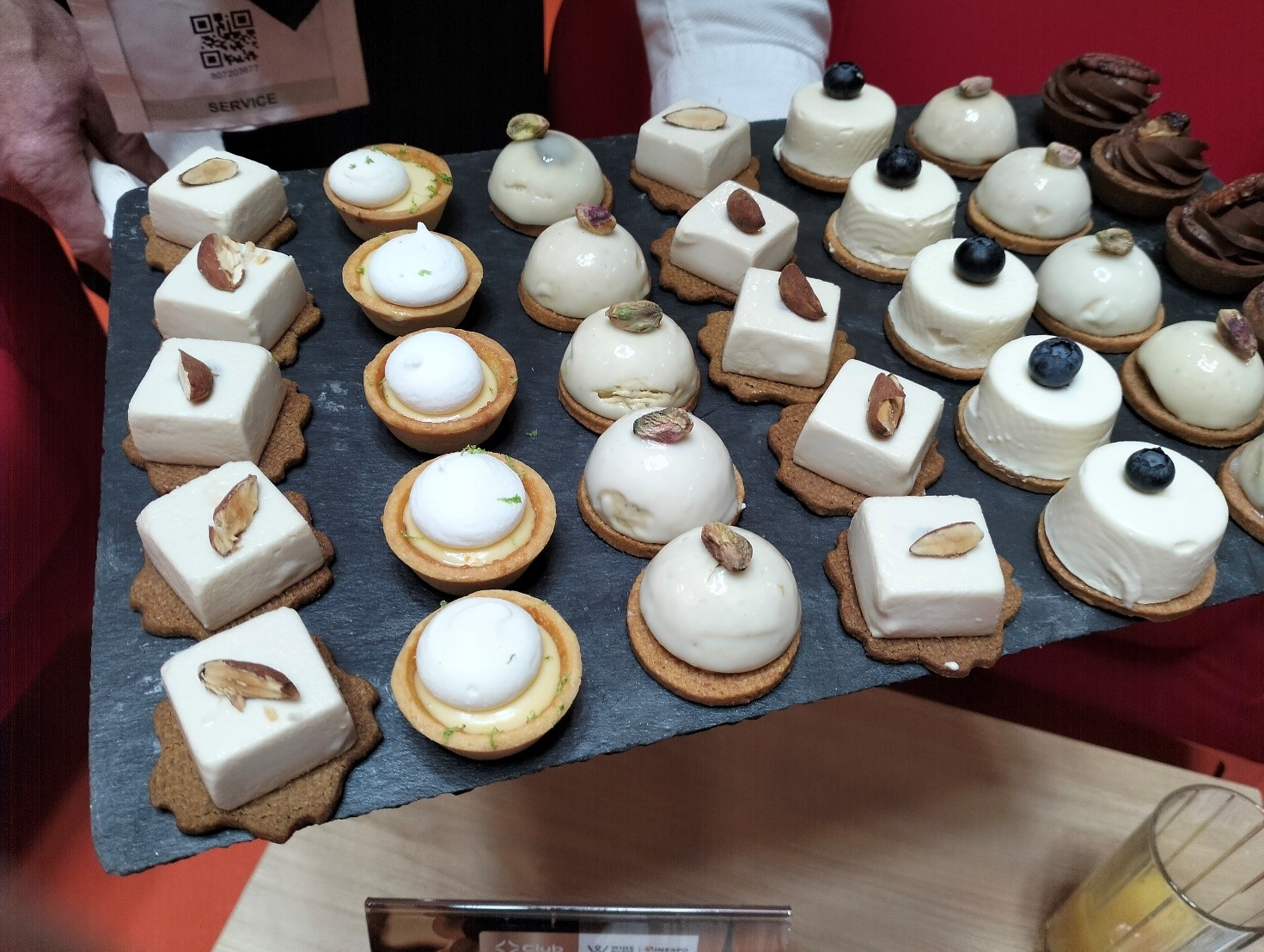
the CEO of Vinexposium, Rodolphe Lameyse attended a meeting with major buyers and the press, while the palates of those present were delighted by the offer of pastries produced by Nina Métayer, the best pastry chef in the world in 2023 .
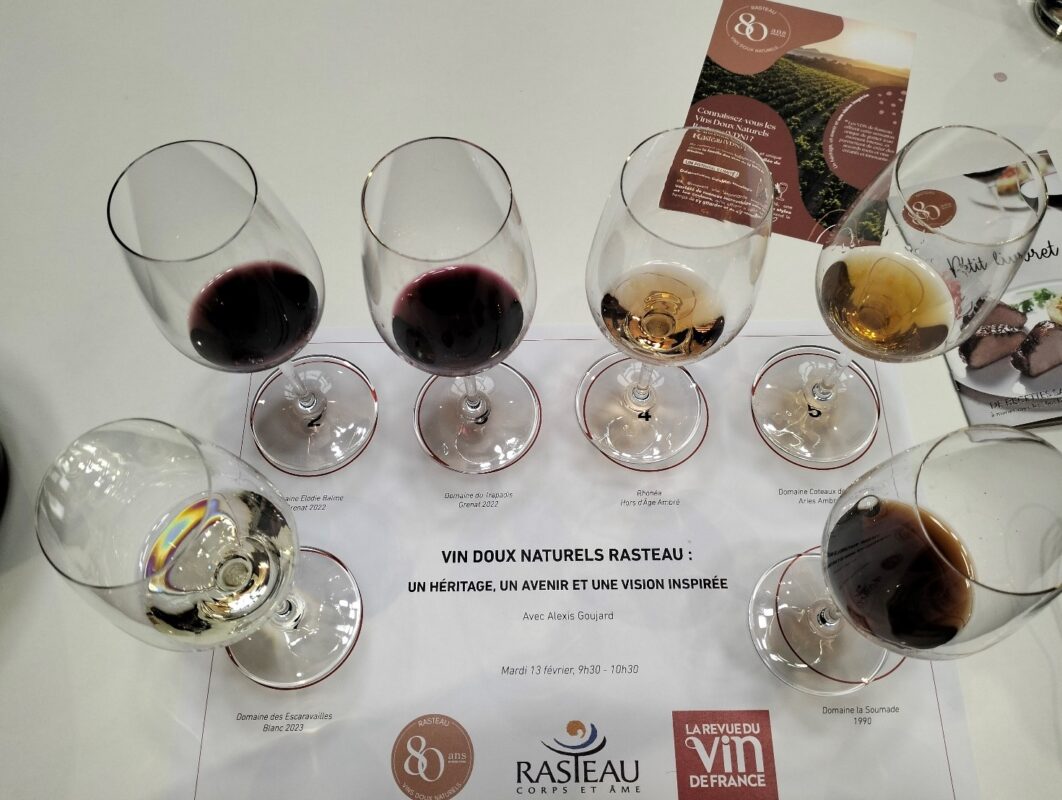
There was the possibility, later, to attend the masterclass on Rasteau's fortified natural sweet wines in pavilion 5.2.
The main advantage of attending this masterclass was the possibility of tasting a considerable number of wines of the aforementioned AOC, around eight, starting from the 2023 vintage up to the 1990 vintage.
An interesting idea of the masterclass was to propose the use of fortified natural sweet wines in mixology, a practice that is still not widespread in Italy.
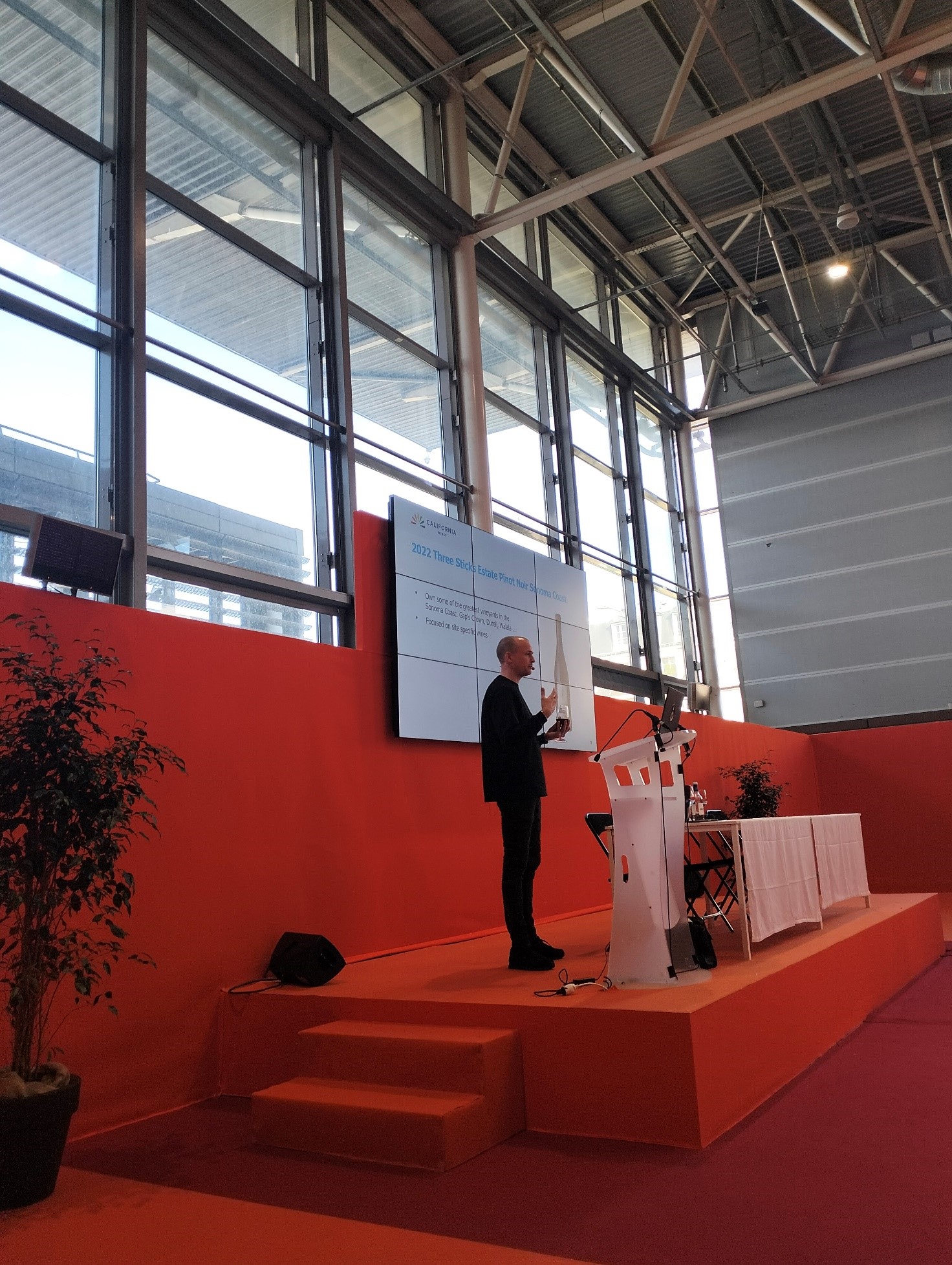
In addition to this, there was also the possibility of participating in the masterclass of Konstantin Baum, Master of Wine, on Chardonnay and Pinot noir from California.
Of great interest was listening to the lesson held by Konstantin Baum on the different Californian wine regions, explained with such profound knowledge, difficult to find elsewhere.
Finally, moving to pavilion 3, you had the opportunity to attend the masterclass on Chenonceaux AOC.
It is interesting to know the history of these winemakers who had the courage to create their own AOC, distancing themselves from that of Touraine in order to create a cru in the Loire.
The main difference between the AOC of Chenonceaux and that of Touraine consists in the fact that the white wines are obtained 100% from Sauvignon Blanc and the reds from a minimum of 65% to a maximum of 80% of Côt, the French word indicating the Malbec, and the remainder from Cabernet Franc.
Furthermore, the influence of the Cher river and the type of soil is important in the differentiation between the two AOCs: clayey left bank, calcareous right bank.
The production of Chenonceaux is not annual, but rather limited to years in which all the criteria are met.
A curiosity: the glass was changed at each tasting, not only at the masterclasses, but also at each tasting at the stands.
That is all for the moment, hoping for a strong number of participants in the next editition.
Serena Vine